The short version: December through April is prime Cabo, dry and mid-80s with whales in the bay. May, June, and the late-October-through-November shoulder are the value plays. August and September bring the warmest ocean of the year and the real storm risk. The long version, month by month, is below, and it applies across Los Cabos; where San José del Cabo differs from Cabo San Lucas, we say so.
December to February: High Season Earns Its Name
Winter is why Cabo exists on calendars. Days sit in the high 70s to mid 80s, rain is close to a rounding error, and the gray and humpback whales arrive in December to calve in the bays. The holidays transform both towns; San José's plaza does Christmas properly, and New Year's in the villa communities books out 8 to 12 months ahead, so this is the window that punishes procrastination. January and February keep the weather and shed some of the holiday premium. Evenings are cool enough for a sweater, and the Pacific-side surf puts on its biggest show.
March and April: Peak Weather, Peak People
Statistically the driest, most reliable stretch of the year, with the sea warming back up and the whales still around into April. It is also spring break; March in Cabo San Lucas is loud by design. San José del Cabo stays noticeably calmer, which is exactly why guests who want March weather without March volume stay on that side. Easter week (Semana Santa) is a major Mexican holiday; book it like a holiday.
May and June: the Quiet Bargain
The crowds go home and the weather does not. May and June run warm and dry, rates ease, restaurants take reservations again, and the Sea of Cortez climbs toward its summer temperature. May brings the San José Jazz Weekend. If your dates are flexible and your goal is the most Cabo per dollar with excellent odds on weather, this is the window we tell repeat guests to take.
July: Full Summer
Hot, brighter humidity, water in the 80s. Mornings are for the ocean and the golf course, afternoons for the pool and the palapa shade. Family travel picks up with school out, and the sportfishing builds toward its autumn peak. Afternoon build-ups can bring a dramatic sky; real rain is still uncommon.
August and September: the Honest Chapter
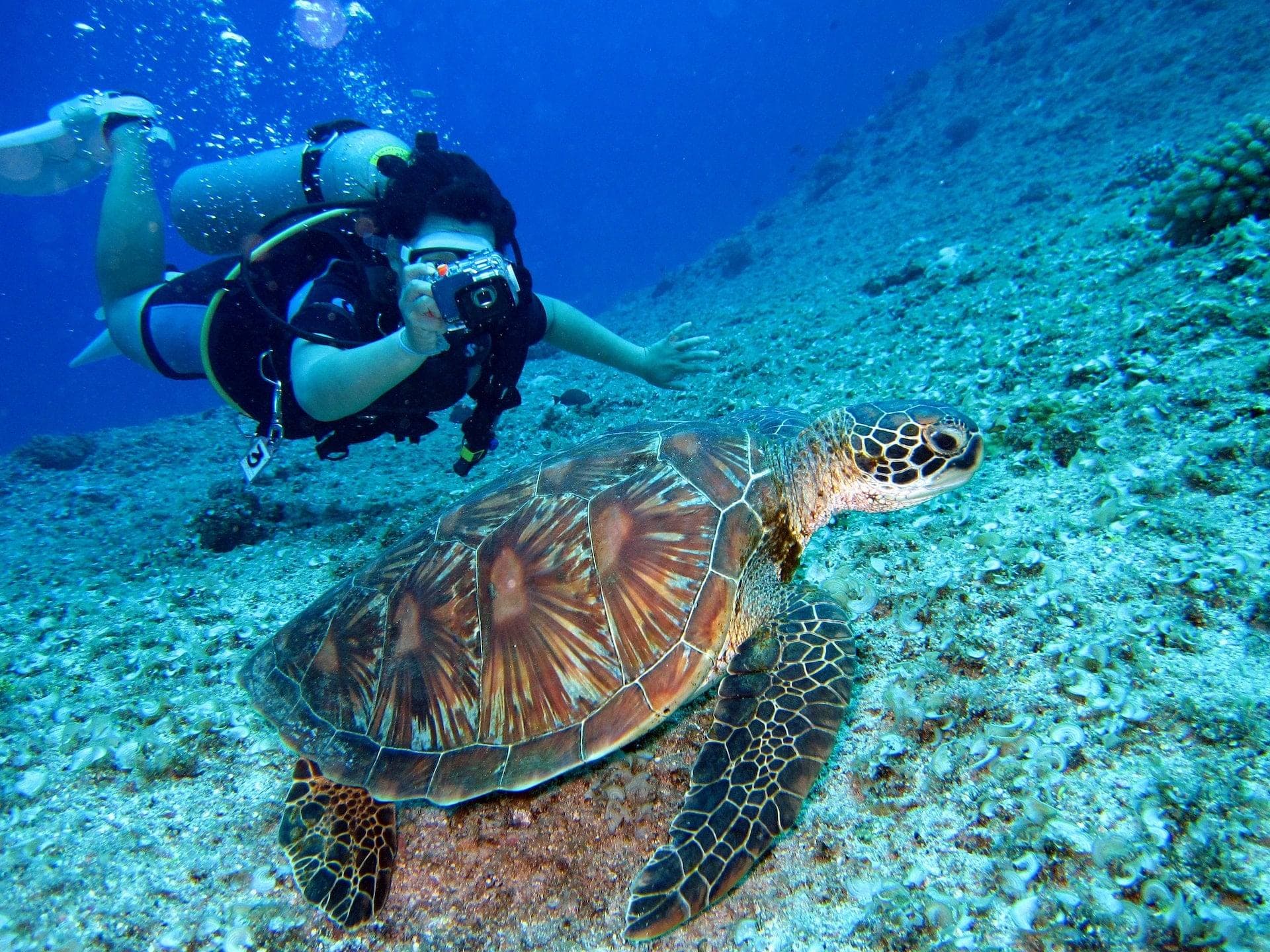
This is hurricane season's peak on the Baja peninsula, and anyone selling you these months without saying so is not on your side. Most days are hot, humid, and fine, and the ocean is at its warmest and clearest, which divers love. But tropical systems do occasionally reach Los Cabos, and September is the likeliest month. If you book it, and plenty do, book like an adult: travel insurance, flexible airfare, and a villa team that watches the forecasts, which is one of the quieter benefits of a staffed house. September also brings Mexican Independence Day, and the towns celebrate properly. August marks sea-turtle nesting along the coast, with hatchling releases running into early winter.
October: the Insider Month
The heat breaks, the water stays warm, and the marina goes electric: October is tournament season, headlined by Bisbee's Black & Blue, the richest marlin tournament in the sport. Storm risk fades through the month. Rates have not yet remembered it is almost high season. For fishing groups it is the best month of the year; for everyone else it is a warm-water bargain with better light.
November: Shoulder-Season Sweet Spot
Dry season settles in, the evenings turn ideal, and San José's Thursday-night Art Walk starts its run through the cooler months, filling the Gallery District with open studios and street wine. Thanksgiving week books early; the rest of the month is one of the smartest times on the calendar, with high-season weather at shoulder-season pace. From here it rolls into December, whales and all.
The Quick Reference, All Twelve Months
- January: highs low 80s, cool evenings, rain rare. Whales at peak. High season.
- February: highs low 80s, driest stretch of the year. Whales at peak. High season.
- March: highs mid 80s, spring break in Cabo San Lucas. Whales still present. High season.
- April: highs mid 80s, sea warming, whales taper. Easter week prices like a holiday.
- May: highs high 80s, dry, crowds gone. The value window opens.
- June: highs around 90, dry, quiet. Sea of Cortez warming fast.
- July: highs low 90s, humid, water in the 80s. Family season.
- August: hot and humid, warmest ocean, storm season begins in earnest.
- September: the peak storm-risk month and the cheapest. Book insured or not at all.
- October: heat breaking, water still warm, tournament season. Storm risk fades.
- November: highs mid 80s, dry season back, Art Walk resumes. Shoulder-season prices.
- December: highs around 80, whales arrive, holidays command the calendar and the rates.
What the Thermometer Actually Does
San José del Cabo's weather is desert-coastal and unusually legible. Winter days run 75 to 85 with nights in the 50s and 60s, which surprises guests who packed only for the beach; bring one warm layer for December through February evenings. Summer days run 90 to 100 with humidity that makes the Sea of Cortez, by then bath-warm, the main event. Rain concentrates almost entirely in the late-summer storm window; the rest of the year, sunscreen is the only forecast that matters. The sea itself swings from around 70 in late winter to the mid 80s by early fall, which is why divers and swimmers prize the months the airfare charts call off-season.
If You Care Most About...
- Guaranteed sun and pool weather: November through May.
- Whales from the terrace: December through April, peak January to March.
- The warmest ocean for swimming and diving: August through October.
- The lowest rates with good odds: May, June, and September, in that order of risk.
- Fishing: October, no contest.
- Avoiding crowds: any month that is not March, July, or the holiday weeks.
What's On, Season by Season
The calendar has a rhythm worth planning around. Winter belongs to the whales and the holidays. Spring brings Semana Santa and the last of the whale season. May's Jazz Weekend is San José's own party. Mexican Independence Day fills the plazas in mid-September, Bisbee's Black & Blue takes over the Cabo San Lucas marina in October, Día de los Muertos colors the first days of November, and the Thursday-night Art Walk runs through the cool months, turning San José's Gallery District into the best free evening in Los Cabos.
Booking a celebration rather than a vacation changes the math. Wedding groups favor November and April through June for ceremony weather; corporate retreats get the best availability and rates in the May-June and September-October shoulders. Either way the villa is the venue, and the wedding estates and group stay planner are where that planning starts.
A Word on San José del Cabo Weather
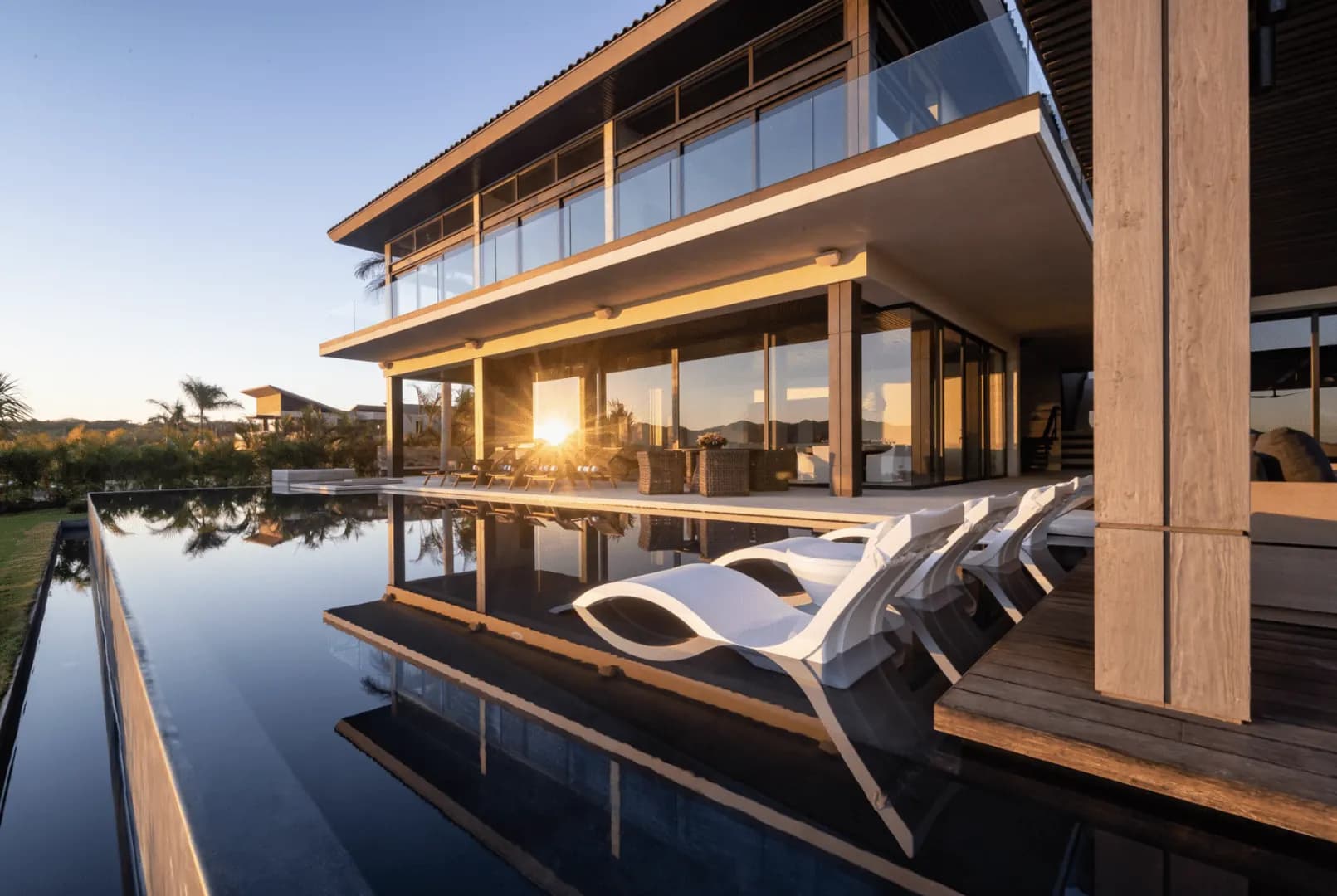
San José sits on the calmer Sea of Cortez side, a few minutes from the swimmable Palmilla bay, and its microclimate tracks the numbers above almost exactly: dry winters in the 80s, humid summers in the 90s, storm exposure in late summer. The practical difference is temperament, not temperature. San José's estuary, galleries, and plaza make the quiet months feel fuller, and its high-season evenings never reach Cabo San Lucas volume. Our deepest villa inventory sits on this side, in Palmilla and Villas del Mar.
Book the Window, Then Forget the Logistics
Whatever month wins, the mechanics are the same: the earlier you book, the more of the collection you choose from, and holiday weeks behave like their own season. Send us your dates and group size, and we will tell you honestly what that window is like and which homes fit it. Every stay comes with a private chef and a concierge, so the only thing left to plan is the month. Start with the collection.